ROUTE NOTES / TERRAIN TO TRANSIT
Start with the corridor
A scenic railway route is a connected transport line, not just a viewpoint. Its character comes from the relationship between track, terrain and stations. Some corridors follow a valley beside a river or road. Others climb away from the valley floor through curves, galleries, tunnels and bridges. A route may include all of these forms in one journey.
Use a current railway map to identify the endpoints, intermediate stations and any transfer points. Then look at a topographic map or route profile. The map helps show whether a train stays low in a broad valley, crosses a high divide, or changes altitude through a sustained climb. The profile helps explain why landscapes, temperatures and visibility may shift during one ride.
Valley lines and mountain climbs
Valley railways can be useful for linking towns and making shorter scenic sections. Their views may include river corridors, forest edges, fields and steep valley walls. A valley route often offers several possible boarding or stopping points, but do not assume every train stops at every station. Confirm the current pattern with the railway.
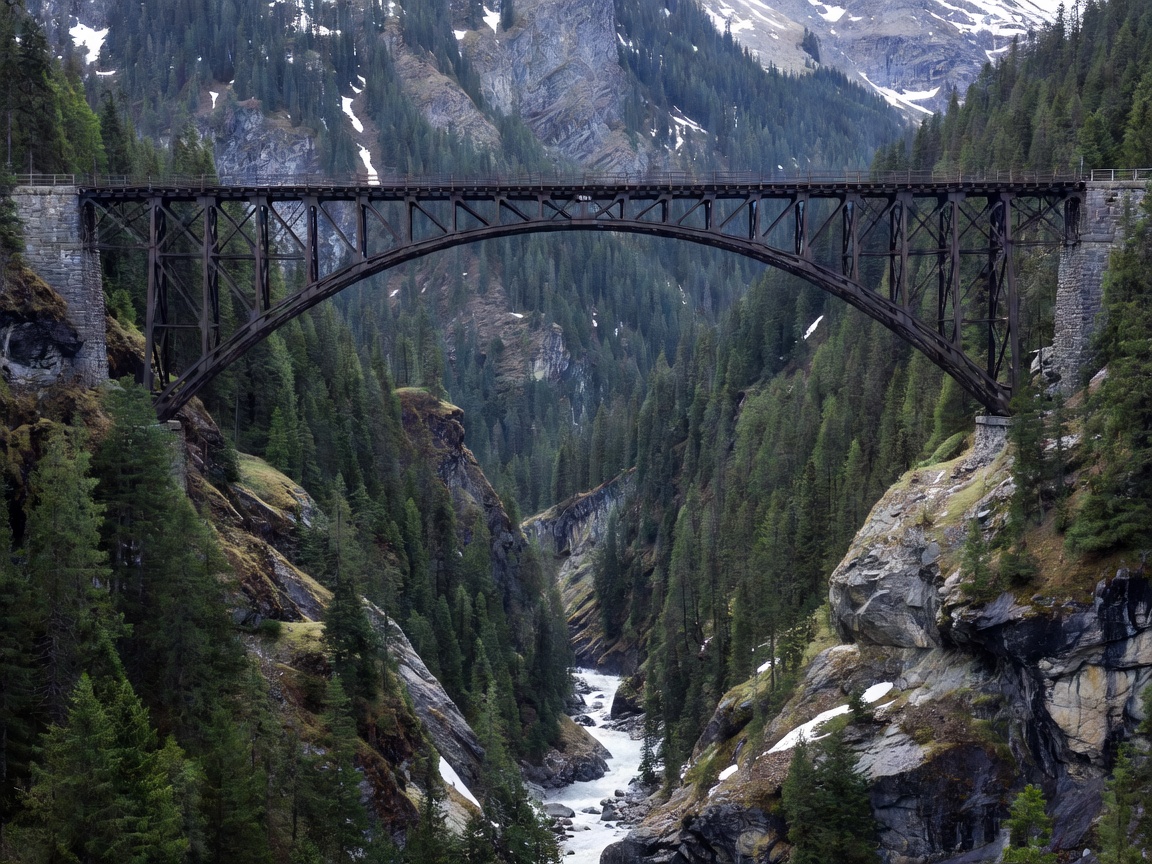
A mountain climb is defined by the route’s changing elevation and engineering. Gradients, tight curves and changes in direction can shape the ride. Some lines use tunnels to pass through a ridge; others cross bridges or follow a contour along a slope. These features are not guarantees of uninterrupted views. A tunnel can interrupt a panorama, while a bridge may offer an open outlook that depends on weather and carriage position.
Compare the climb with your own needs. A continuous ascent may be the main purpose of a trip. A corridor with intermediate stations may better suit a day that includes walking or a town stop. Check how the route connects with the rest of your plan before choosing it.
Three journey scales
- Short scenic journey: A compact out-and-back or one section of a longer line. It can fit a half-day plan, subject to actual service and connection options. Its limitation is a smaller range of terrain.
- Full-day railway route: A longer corridor with time for a major ride and selected stops. It requires more attention to the return plan, meals, onward connections and the last practical departure.
- Multi-leg itinerary: Several rail sections joined by transfers or overnight stays. It can reveal contrasting landscapes, but adds dependence on connections, luggage handling and accommodation availability.
These are planning categories, not fixed duration claims. Actual journey length depends on the selected line, timetable, stops and service pattern. Check current operator information before setting a day’s boundaries.
Use a route-selection filter
First, decide what matters most: continuous scenery, a particular type of terrain, access to a stop, a straightforward return, or a connection to another rail line. Next, compare the route’s shape against your available time. A route that looks direct on a map may involve a transfer or an infrequent connection. Do not plan a tight connection from a rough map estimate.
Then check whether the railway runs the service you intend to use on your travel date. Timetables, reservation rules, ticket conditions and seasonal patterns vary by line and can change. A route guide can explain what to compare; it cannot replace the railway’s live information.
Practical checks before departure
- Confirm origin, destination and every intended stop on the current railway map.
- Check the date-specific timetable, any reservation requirements and ticket validity.
- Allow a realistic margin for transfers and station navigation.
- Review weather and visibility expectations without treating a forecast as guaranteed.
- Keep an alternative return or a shorter version of the route available.
Exact distances, gradients, travel times and operating dates differ by route. Where route data matters to your decision, confirm it using an up-to-date railway source rather than relying on a general overview.
Good for
Route comparisons suit travelers choosing between a compact ride, a day-long corridor and a multi-leg rail itinerary. They are also useful when the landscape itself—valley, ridge, tunnel sequence or bridge crossing—is part of the plan.
What to know
Scenic value does not confirm service availability, stopping patterns or seat reservations. Mountain conditions can affect the experience. The railway’s current information governs operating details.