CONDITION NOTES / GENERAL PATTERNS
Separate climate from live operation
Seasonal patterns can help you decide what to pack and what kind of landscape to expect. They cannot tell you whether a particular train is operating, a station is accessible or a path is open today. Railways publish current service information; local authorities and land managers publish current access information. Use those sources for decisions that depend on the date.
Mountain weather can change quickly, and conditions can differ between a valley and a higher station. A low cloud layer may reduce views while the valley remains clear. Wind, rain or snow can affect comfort and visibility without producing a disruption—or may coincide with a service change. Do not infer railway status from a general forecast.
Winter: snow and shorter days
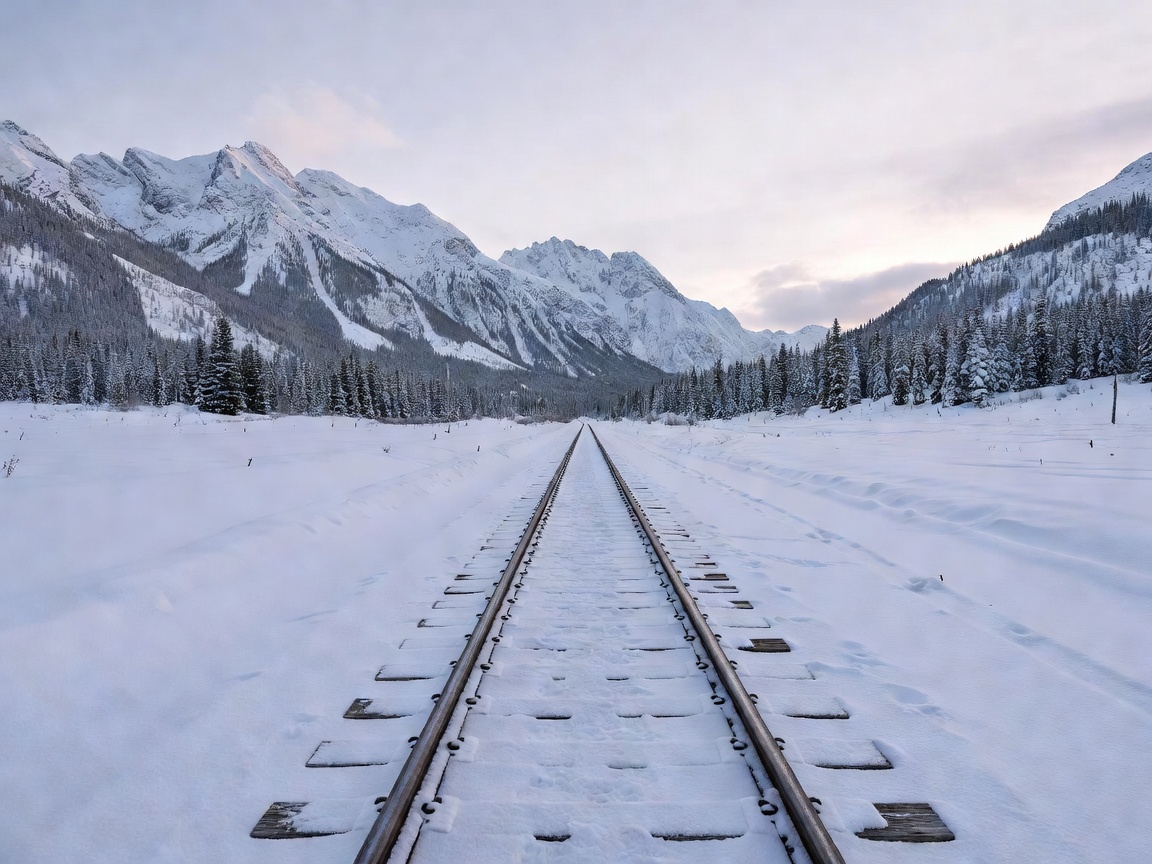
Winter can bring snow-covered scenery, cold platforms and reduced daylight. Snow cover varies with altitude, exposure and recent weather; a route through a lower valley may look very different from a higher section. Pack for cold conditions, particularly if you plan to spend time outside a carriage or wait at an exposed stop.
Check the railway’s seasonal timetable, date-specific service notices and any reservation guidance. Do not assume a line runs the same pattern throughout winter. For walks or viewpoint visits, verify local path status, equipment requirements and daylight needs. Snow can hide uneven ground and make a familiar route slower or unsuitable.
Spring: mixed conditions
Spring often brings a mixture of weather and changing ground conditions. Lower elevations may feel mild while higher stops remain cold. Rain, lingering snow, wet paths and cloud can all affect a planned stop. Layers and a flexible itinerary are more useful than a single-season assumption.
Check whether the route or access plan depends on a seasonal service pattern. A path that is clear at the station may be wet, muddy or snow-covered farther along. Use current local information and avoid assuming that a viewpoint is accessible because it appears on a map.
Summer: longer daylight, variable visibility
Longer daylight can create more room for stopovers and rail-and-walk combinations. It does not guarantee clear mountain views. Haze, cloud build-up, rain and wind remain possible, and a bright valley does not guarantee conditions at higher elevation. Carry water and suitable layers for the day’s actual plan.
Popular periods can also change how much time you need at stations and connections. Allow margin around transfers and check whether seat reservations or other booking requirements apply. Confirm local walking access and return services before committing to a longer stop.
Autumn: changing light and service patterns
Autumn can bring changing foliage, cooler temperatures and shorter daylight. The appearance of a route depends on elevation, species, recent weather and timing, so avoid planning around a guaranteed color peak. Shorter days matter if a walk or viewpoint visit is part of the itinerary.
As seasons shift, timetables and local access may also change. Confirm dates, connections and the final practical return. A plan designed for a long summer day may leave too little margin later in the year.
Fog, rain and wind: all-season checks
Fog can reduce long-distance views and make orientation harder. Rain can affect platforms, paths and clothing; wind can make exposed stops uncomfortable. Check an appropriate current forecast for both ends of the route and any higher stop. Bring a conservative alternative that does not rely on a clear panorama.
Forecasts are guidance, not guarantees. Review them near departure and follow local safety advice. If conditions make a planned walk unsuitable, stay with the railway journey or choose a lower-risk stop.
Service changes and a practical check
Timetables, operating dates, reservations and service notices are controlled by each railway and can change. This site does not provide current forecasts or live status. Verify the exact date and route before buying tickets or leaving for the station.
- Check the operator’s current timetable and service notices.
- Review weather for the route’s elevation range, not only the origin.
- Confirm local path access and daylight needs.
- Pack for the exposure expected at stops.
- Keep a rail-only or shorter fallback plan.
Good for
Use this guide when comparing travel seasons, deciding what to pack or adding a mountain stop to a rail itinerary.
What to know
Seasonal tendencies are general. They do not confirm current conditions, operating dates or service status. The railway and local authorities provide date-specific information.